
Most Popular Articles
Ceramic vs Porcelain Tiles: Which Is Better for Commercial Projects?
How to Choose the Right Ceramic Tile Supplier for Your Market
Editor’s Picks
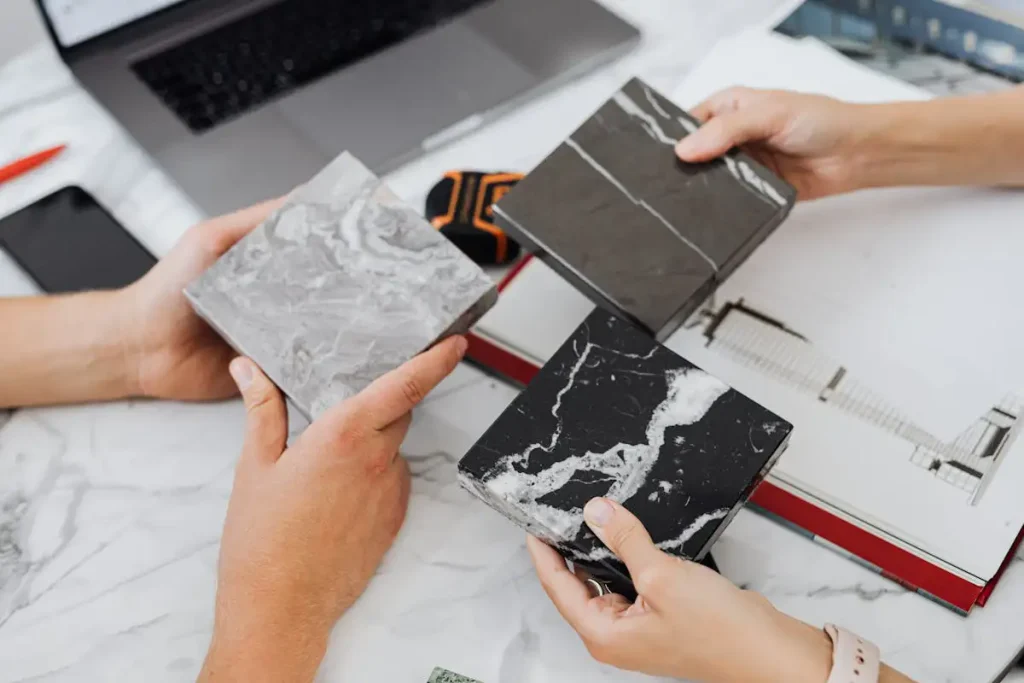

How to Import Ceramic Tiles: Complete Guide for Distributors and Wholesalers
- No Comments
Ceramic vs Porcelain Tiles: Which Is Better for Commercial Projects?
Table of Contents
Selecting the right tile material is one of the most important decisions in any commercial construction or renovation project. Whether you are developing a hotel, office building, shopping center, healthcare facility, or residential complex, the flooring and wall finishes you choose will impact durability, maintenance costs, and overall project value.
Among the most popular options available today are ceramic tiles and porcelain tiles. While both belong to the same family of tile products, they differ significantly in composition, performance, and applications.
This guide explores the key differences between ceramic vs porcelain tiles and helps contractors, architects, distributors, and commercial buyers determine which option best fits their project requirements.
Understanding Ceramic Tiles
Ceramic tiles are manufactured from natural clay materials that are shaped and fired at high temperatures. They are widely used in residential and commercial applications due to their versatility, affordability, and attractive appearance.
Modern ceramic tiles are available in a wide range of colors, textures, patterns, and finishes, making them suitable for various design styles.
Key Advantages of Ceramic Tiles
- Cost-effective solution
- Wide variety of designs
- Easy to install
- Lightweight compared to porcelain
- Suitable for walls and moderate-traffic areas
Because of their affordability, ceramic tiles are commonly used in offices, residential developments, retail spaces, and interior wall applications.
Understanding Porcelain Tiles
Porcelain tiles are produced using refined clay and advanced manufacturing processes. They are fired at higher temperatures than ceramic tiles, resulting in a denser and less porous material.
This enhanced manufacturing process gives porcelain superior strength, durability, and resistance to moisture.
Key Advantages of Porcelain Tiles
- Exceptional durability
- Low water absorption rate
- High resistance to wear and scratches
- Suitable for heavy-traffic areas
- Excellent performance in demanding environments
Porcelain tiles are often the preferred choice for large-scale commercial projects where long-term performance is a priority.
Ceramic vs Porcelain Tiles: Key Differences
Understanding the major differences between ceramic and porcelain tiles helps buyers make informed decisions.
Durability
When comparing ceramic vs porcelain tiles, durability is often the most important factor.
Porcelain tiles are significantly denser and stronger than ceramic tiles. They can withstand heavy foot traffic, equipment movement, and intensive daily use.
Ceramic tiles offer good durability but are generally better suited for areas with moderate traffic levels.
Water Resistance
Porcelain tiles have an extremely low water absorption rate.
This makes them ideal for:
- Bathrooms
- Commercial kitchens
- Outdoor spaces
- Swimming pool areas
- High-humidity environments
Ceramic tiles provide adequate moisture resistance for many indoor applications but may not perform as well in demanding conditions.
Maintenance Requirements
Both tile types are relatively easy to maintain.
However, porcelain’s dense structure makes it more resistant to stains, moisture penetration, and surface damage.
For commercial environments requiring frequent cleaning, porcelain often provides a long-term advantage.
Installation Process
Ceramic tiles are generally easier to cut and install due to their softer composition.
Porcelain tiles require specialized tools and greater installation expertise because of their density and hardness.
As a result, installation costs for porcelain tiles may be slightly higher.
Design Flexibility
Both ceramic and porcelain tiles offer extensive design possibilities.
Manufacturers now produce collections that replicate:
- Natural stone
- Marble
- Wood
- Concrete
- Metal surfaces
Advancements in digital printing technology have significantly expanded design options for both materials.
Which Tile Is More Cost Effective?
Many buyers initially focus on product pricing.
Ceramic tiles are generally less expensive than porcelain tiles. For projects with strict budget limitations, ceramic products may offer a practical solution.
However, evaluating cost should go beyond the initial purchase price.
Consider factors such as:
- Maintenance costs
- Product lifespan
- Replacement frequency
- Installation expenses
- Customer satisfaction
Although porcelain tiles often require a higher upfront investment, their durability can reduce long-term operational costs.
Best Applications for Ceramic Tiles
Ceramic tiles are an excellent choice for:
Office Interiors
Modern office environments benefit from ceramic wall and floor solutions that balance aesthetics and affordability.
Residential Developments
Apartments and housing projects frequently utilize ceramic tiles for kitchens, bathrooms, and interior walls.
Retail Spaces
Many retail stores select ceramic products due to their attractive designs and cost efficiency.
Decorative Applications
Ceramic tiles are ideal for feature walls, decorative surfaces, and interior design elements.
Best Applications for Porcelain Tiles
Porcelain tiles excel in demanding commercial environments.
Shopping Centers
High foot traffic requires durable flooring capable of maintaining appearance over time.
Hotels and Hospitality Projects
Porcelain offers a premium look while providing excellent resistance to wear and maintenance challenges.
Healthcare Facilities
Its moisture resistance and durability make porcelain suitable for hospitals and medical centers.
Commercial Buildings
Office towers, airports, and public buildings often rely on porcelain tiles for long-term performance.
Outdoor Installations
Porcelain’s low porosity allows it to withstand weather exposure and temperature changes.
Sustainability Considerations
Sustainability has become increasingly important in modern construction.
Both ceramic and porcelain tiles are manufactured from natural materials and offer long service lives.
Their durability contributes to reduced replacement frequency, helping lower environmental impact over time.
Many manufacturers also implement energy-efficient production processes and environmentally responsible practices.
How to Choose the Right Option for Your Project
The decision between ceramic vs porcelain tiles ultimately depends on your project’s priorities.
Choose ceramic tiles if:
- Budget is a primary concern
- The application involves moderate traffic
- Installation efficiency is important
- Decorative flexibility is a priority
Choose porcelain tiles if:
- Durability is essential
- The environment experiences heavy use
- Moisture resistance is required
- Long-term value is the primary goal
Commercial buyers should carefully evaluate project requirements, expected traffic levels, environmental conditions, and maintenance expectations before making a final decision.
Conclusion
When comparing ceramic vs porcelain tiles, there is no one-size-fits-all answer. Both materials offer unique advantages and can deliver exceptional results when used appropriately.
Ceramic tiles provide affordability, versatility, and attractive design options for a wide range of applications. Porcelain tiles offer superior durability, moisture resistance, and long-term performance, making them an excellent choice for demanding commercial environments.
By understanding the strengths of each material, distributors, contractors, architects, and project developers can select the most effective solution for their specific commercial projects and achieve the best balance between performance, aesthetics, and cost.
Blog
Related News
- No Comments
How to Import Ceramic Tiles: Complete Guide for Distributors and Wholesalers
- No Comments
Ceramic vs Porcelain Tiles: Which Is Better for Commercial Projects?
- No Comments