
Most Popular Articles
Ceramic vs Porcelain Tiles: Which Is Better for Commercial Projects?
How to Choose the Right Ceramic Tile Supplier for Your Market
Editor’s Picks

How to Import Ceramic Tiles: Complete Guide for Distributors and Wholesalers
- No Comments
How to Import Ceramic Tiles: Complete Guide for Distributors and Wholesalers
Table of Contents
The global demand for ceramic and porcelain tiles continues to grow across residential, commercial, hospitality, and infrastructure sectors. As a result, many businesses are exploring opportunities to import ceramic tiles and expand their product portfolios.
For distributors, wholesalers, and building material suppliers, importing tiles can provide access to competitive pricing, broader product selections, and stronger profit margins. However, successful importing requires careful planning, supplier evaluation, quality control, and logistics management.
This guide explains the complete process of importing ceramic tiles and highlights the key considerations that can help businesses reduce risks and maximize profitability.
Why Import Ceramic Tiles?
The ceramic tile industry offers significant opportunities for distributors and wholesalers looking to meet growing market demand.
Importing directly from manufacturers often provides several advantages:
- Access to competitive pricing
- Wider product variety
- Exclusive collections and designs
- Better profit margins
- Flexible order quantities
- Long-term supply partnerships
For many businesses, direct sourcing creates a competitive advantage in local markets.
Understanding Your Market Before Importing
Before selecting products or suppliers, it is essential to understand your target market.
Successful ceramic tile importers analyze:
Customer Preferences
Different markets prefer different styles, sizes, and finishes.
For example:
- Large-format tiles may be popular in commercial projects.
- Marble-look surfaces may dominate luxury developments.
- Wood-look tiles may perform well in residential markets.
Market Pricing
Understanding local pricing helps determine which product categories offer the highest profitability.
Competitor Analysis
Review competing brands and identify opportunities where demand exceeds supply.
Conducting proper market research helps ensure you import products that customers actually want to buy.
How to Choose the Right Ceramic Tile Supplier
Choosing the right supplier is one of the most important decisions in the import process.
Evaluate Product Quality
Request samples and assess:
- Surface consistency
- Durability
- Water absorption
- Dimensional accuracy
- Finish quality
Review Manufacturing Capacity
Your supplier should be capable of supporting both current and future demand.
Important questions include:
- Monthly production capacity
- Lead times
- Scalability
- Quality control procedures
Assess Export Experience
Experienced exporters understand:
- International shipping
- Export documentation
- Packaging standards
- Customs requirements
Working with an export-focused manufacturer can significantly reduce operational challenges.
Understanding Product Specifications
Not all ceramic tiles are created equal.
Before placing an order, review technical specifications carefully.
Tile Size
Popular sizes vary depending on market demand and project requirements.
Thickness
Different applications require different tile thicknesses.
Commercial flooring projects often require stronger and more durable products.
Surface Finish
Common finishes include:
- Matte
- Polished
- Glossy
- Textured
- Anti-slip
Water Absorption
Water absorption affects tile performance and suitability for different environments.
Understanding these specifications helps ensure the product matches customer expectations.
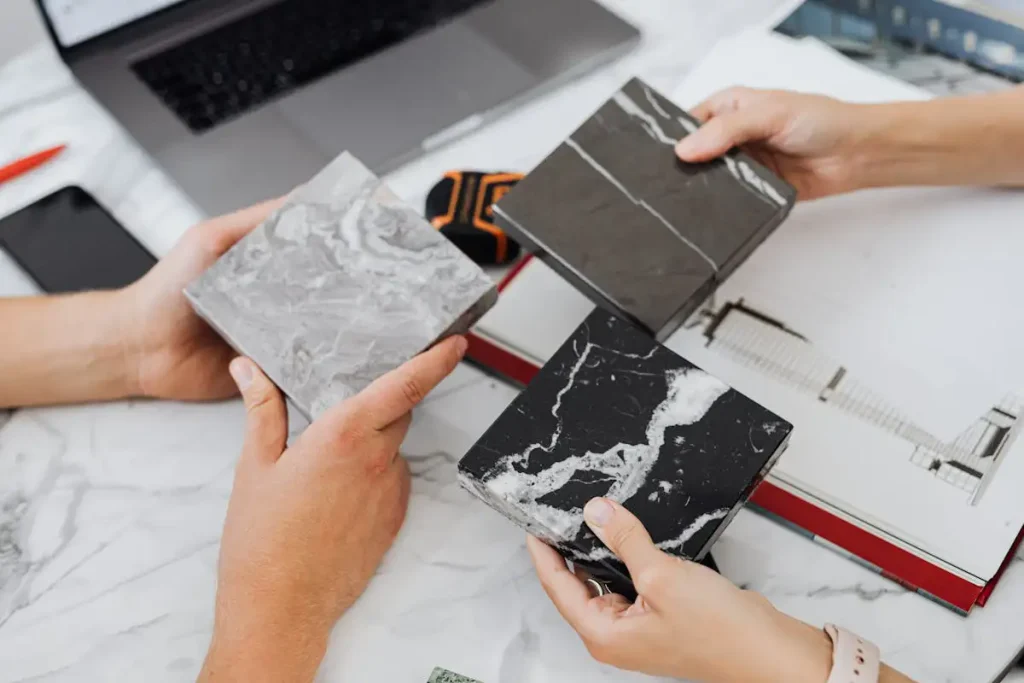
Request Samples Before Ordering
One of the biggest mistakes new importers make is ordering without inspecting samples.
Product samples allow buyers to evaluate:
- Color consistency
- Surface quality
- Packaging standards
- Design accuracy
- Technical performance
Samples also help sales teams present products to potential customers before committing to large-volume purchases.
Understanding Packaging Requirements
Proper packaging plays a critical role in international tile transportation.
Tiles are heavy and fragile products that require protection throughout the shipping process.
Look for suppliers that provide:
Export-Grade Cartons
Strong packaging reduces damage during handling and transportation.
Reinforced Pallets
Well-secured pallets improve container stability.
Protective Materials
Additional protection helps prevent edge damage and breakage.
Effective packaging can significantly reduce replacement costs and customer complaints.
Shipping and Logistics Considerations
Shipping is one of the most important factors when importing ceramic tiles.
Container Optimization
Efficient container loading maximizes shipping value and reduces transportation costs.
Transit Times
Understanding estimated delivery schedules helps improve inventory planning.
Freight Costs
Compare multiple freight options to optimize profitability.
Insurance Coverage
Cargo insurance protects your investment against unexpected risks during transportation.
Working with experienced logistics partners can simplify the import process considerably.
Customs Documentation and Compliance
Every country has specific import regulations.
Common documentation requirements include:
- Commercial Invoice
- Packing List
- Bill of Lading
- Certificate of Origin
- Product Specifications
- Import Permits (where required)
Failure to prepare proper documentation can result in customs delays and additional costs.
Importers should always verify local requirements before shipment.
Quality Control Before Shipment
Professional ceramic tile importers often conduct quality inspections before products leave the factory.
Pre-shipment inspections typically include:
Product Verification
Confirm products match approved samples and specifications.
Quantity Verification
Ensure the correct quantities have been produced and packaged.
Packaging Inspection
Verify packaging quality and container readiness.
Loading Supervision
Monitor container loading procedures to reduce transportation risks.
These inspections help prevent costly issues after products arrive.
Building Long-Term Supplier Relationships
The most successful importers focus on partnerships rather than individual transactions.
Long-term supplier relationships provide:
- Better pricing opportunities
- Priority production scheduling
- Improved communication
- Greater supply stability
- Faster issue resolution
A trusted supplier becomes an extension of your business and contributes directly to long-term growth.
Common Mistakes to Avoid When Importing Ceramic Tiles
Many businesses encounter challenges due to avoidable mistakes.
Choosing Based Only on Price
The cheapest supplier may not provide the best value.
Ignoring Quality Control
Skipping inspections can result in costly product issues.
Poor Market Research
Importing products without understanding customer demand increases inventory risks.
Underestimating Shipping Costs
Transportation expenses should always be included in profitability calculations.
Lack of Documentation Planning
Incomplete paperwork can delay shipments and create unnecessary expenses.
Avoiding these mistakes significantly improves import success rates.
Future Opportunities in the Ceramic Tile Industry
The global ceramic tile market continues to evolve with new technologies, innovative designs, and sustainable manufacturing practices.
Growing demand for:
- Large-format tiles
- Marble-look surfaces
- Sustainable materials
- Premium porcelain collections
- Commercial flooring solutions
creates ongoing opportunities for importers and distributors worldwide.
Businesses that align with reliable suppliers and market trends will be better positioned for long-term success.
Conclusion
Learning how to import ceramic tiles effectively can create substantial growth opportunities for distributors, wholesalers, and building material suppliers.
Success depends on selecting the right supplier, understanding product specifications, implementing quality control measures, and managing logistics efficiently.
By developing strong supplier relationships and maintaining a customer-focused product strategy, importers can build profitable and sustainable businesses in the competitive ceramic tile market.
For companies seeking long-term growth, importing high-quality ceramic tiles remains one of the most attractive opportunities in the global construction materials industry.
Blog
Related News
- No Comments
How to Import Ceramic Tiles: Complete Guide for Distributors and Wholesalers
- No Comments
Ceramic vs Porcelain Tiles: Which Is Better for Commercial Projects?
- No Comments