
Most Popular Articles
Ceramic vs Porcelain Tiles: Which Is Better for Commercial Projects?
How to Choose the Right Ceramic Tile Supplier for Your Market
Editor’s Picks


How to Import Ceramic Tiles: Complete Guide for Distributors and Wholesalers
- No Comments
How to Choose the Right Ceramic Tile Supplier for Your Market
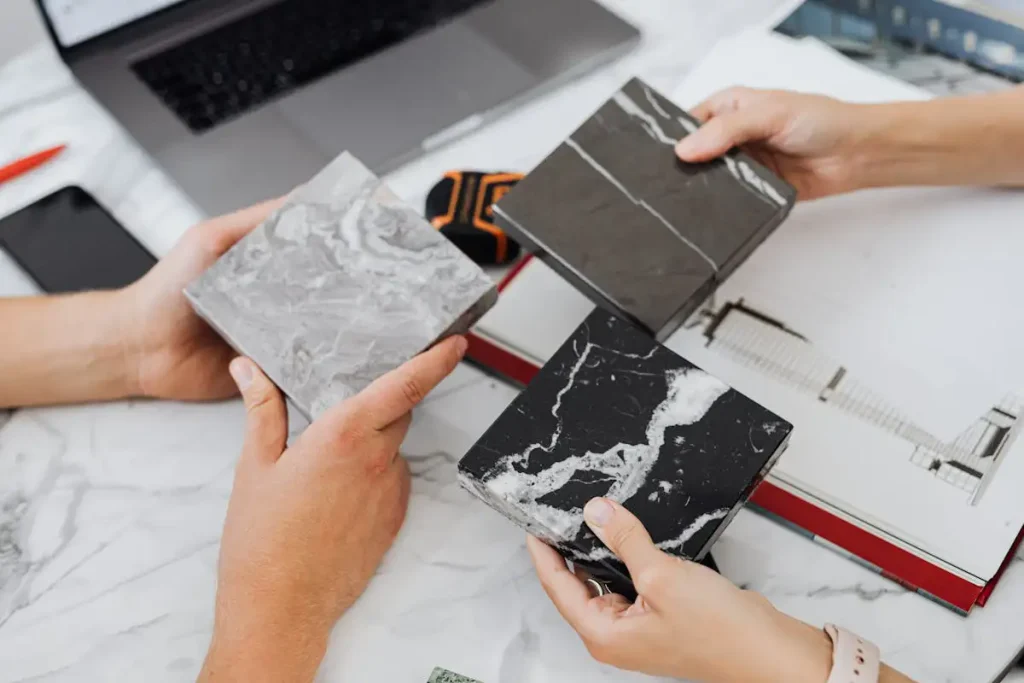
Table of Contents
In today’s competitive construction and building materials industry, selecting the right ceramic tile supplier is one of the most important decisions for importers, distributors, wholesalers, and project developers. The quality of your supplier directly affects product consistency, customer satisfaction, pricing competitiveness, and overall business growth.
A reliable ceramic tile supplier does more than provide products. They become a strategic partner that helps you meet market demands, maintain inventory stability, and build a strong reputation among your customers.
This guide explores the key factors every buyer should consider before choosing a ceramic tile supplier for their target market.
Why Choosing the Right Ceramic Tile Supplier Matters
The global ceramic tile market continues to grow as demand increases for residential, commercial, hospitality, and infrastructure projects. With hundreds of manufacturers and exporters available worldwide, finding the right partner can be challenging.
A dependable supplier can help you:
- Maintain consistent product quality
- Reduce supply chain risks
- Improve profit margins
- Access new product designs
- Meet delivery deadlines
- Strengthen customer trust
Choosing the wrong supplier, on the other hand, can lead to delayed shipments, inconsistent quality, customer complaints, and financial losses.
Evaluate Product Quality Before Anything Else
When assessing a ceramic tile supplier, quality should be your first priority.
High-quality ceramic and porcelain tiles offer better durability, aesthetics, and performance. Request product samples and evaluate important factors such as:
Surface Finish Consistency
The finish should be uniform across all pieces without visible defects, color variations, or surface imperfections.
Water Absorption Rate
Water absorption directly affects tile performance and durability. Lower absorption rates are generally preferred for demanding applications.
Strength and Durability
Tiles should withstand regular wear, heavy foot traffic, and environmental conditions without losing their appearance or structural integrity.
Dimensional Accuracy
Consistent dimensions ensure easier installation and reduce project costs.
Reliable suppliers implement strict quality control procedures throughout the manufacturing process.
Assess Production Capacity and Manufacturing Capabilities
One of the most overlooked factors when selecting a ceramic tile supplier is manufacturing capacity.
As your business grows, your supplier must be able to scale production accordingly.
Ask potential suppliers:
- What is your monthly production capacity?
- Can you support large-volume orders?
- What are your standard lead times?
- How do you handle urgent production requirements?
A supplier with modern manufacturing facilities and scalable production systems can support both current and future business needs.
Look for Customization Options
Different markets have different preferences.
A professional ceramic tile supplier should offer flexibility in:
- Tile sizes
- Surface finishes
- Colors
- Designs
- Packaging solutions
- Branding requirements
Customization allows distributors and wholesalers to differentiate themselves from competitors and better serve local market demands.
The ability to produce market-specific collections is a major competitive advantage in today’s global tile industry.
Compare Pricing Beyond the Product Cost
Price is always important, but the lowest price does not necessarily provide the best value.
When comparing suppliers, consider:
Product Quality
A slightly higher-quality product often generates fewer complaints and lower replacement costs.
Shipping Efficiency
Suppliers with export experience can optimize logistics and reduce transportation expenses.
Packaging Standards
Proper packaging minimizes breakage during international transportation.
Long-Term Profitability
Consistent quality and reliable supply often create greater profitability than simply purchasing at the lowest price.
The goal is to find the optimal balance between quality, service, and cost.
Verify Export Experience
International trade involves more than manufacturing products.
An experienced tile export company should understand:
- International shipping procedures
- Export documentation
- Packaging requirements
- Customs regulations
- Market-specific standards
Export experience helps reduce delays and ensures smoother transactions.
Ask suppliers about their existing export markets and experience serving international distributors and importers.
Review Product Range and Market Adaptability
A broad product portfolio allows you to serve different customer segments and project requirements.
An ideal ceramic tile supplier should offer:
- Porcelain tiles
- Ceramic wall tiles
- Floor tiles
- Decorative tiles
- Large-format tiles
- Commercial-grade collections
Suppliers that continuously develop new collections can help your business stay competitive in evolving markets.
Evaluate Communication and Customer Support
Strong communication is essential in B2B partnerships.
Your supplier should provide:
- Fast response times
- Clear quotations
- Technical documentation
- Product specifications
- Professional after-sales support
Poor communication often leads to misunderstandings, delays, and operational challenges.
Reliable suppliers view communication as an important part of customer service.
Check Packaging and Logistics Capabilities
Packaging quality directly impacts product condition upon arrival.
Professional suppliers invest in export-grade packaging designed to protect products during long-distance transportation.
Look for suppliers that offer:
- Reinforced pallet systems
- Protective packaging materials
- Container optimization
- Customized packaging solutions
Efficient logistics support can significantly improve operational performance and reduce transportation risks.
Build a Long-Term Partnership Instead of a One-Time Purchase
Successful importers and distributors rarely change suppliers frequently.
Rather than focusing solely on immediate transactions, evaluate the supplier’s ability to support your long-term growth.
Questions to consider include:
- Can they support expanding order volumes?
- Do they invest in product innovation?
- Are they committed to quality improvements?
- Can they adapt to changing market trends?
A strong supplier relationship creates stability and supports sustainable business growth.
Conclusion
Choosing the right ceramic tile supplier is a strategic decision that affects every aspect of your business. Beyond competitive pricing, buyers should evaluate quality standards, manufacturing capabilities, export experience, customization options, communication efficiency, and long-term reliability.
The best suppliers act as business partners, helping distributors, wholesalers, and importers meet customer expectations while achieving sustainable growth. By carefully assessing these factors, businesses can build stronger supply chains and gain a competitive advantage in their target markets.
If you are searching for a trusted ceramic tile supplier capable of supporting international distribution and large-scale projects, taking the time to evaluate these key criteria will help ensure a successful and profitable partnership.
Blog
Related News
- No Comments
How to Import Ceramic Tiles: Complete Guide for Distributors and Wholesalers
- No Comments
Ceramic vs Porcelain Tiles: Which Is Better for Commercial Projects?
- No Comments